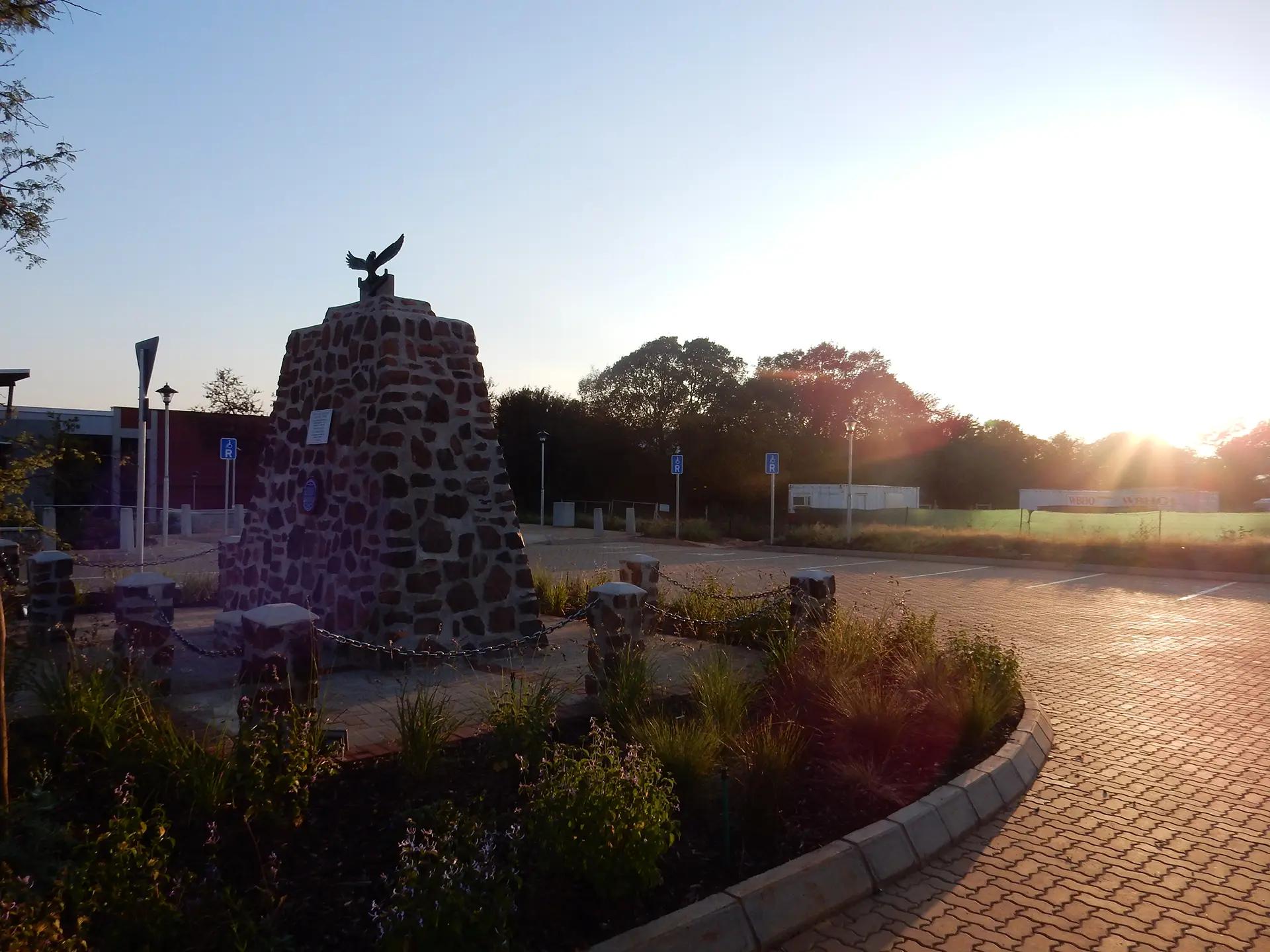
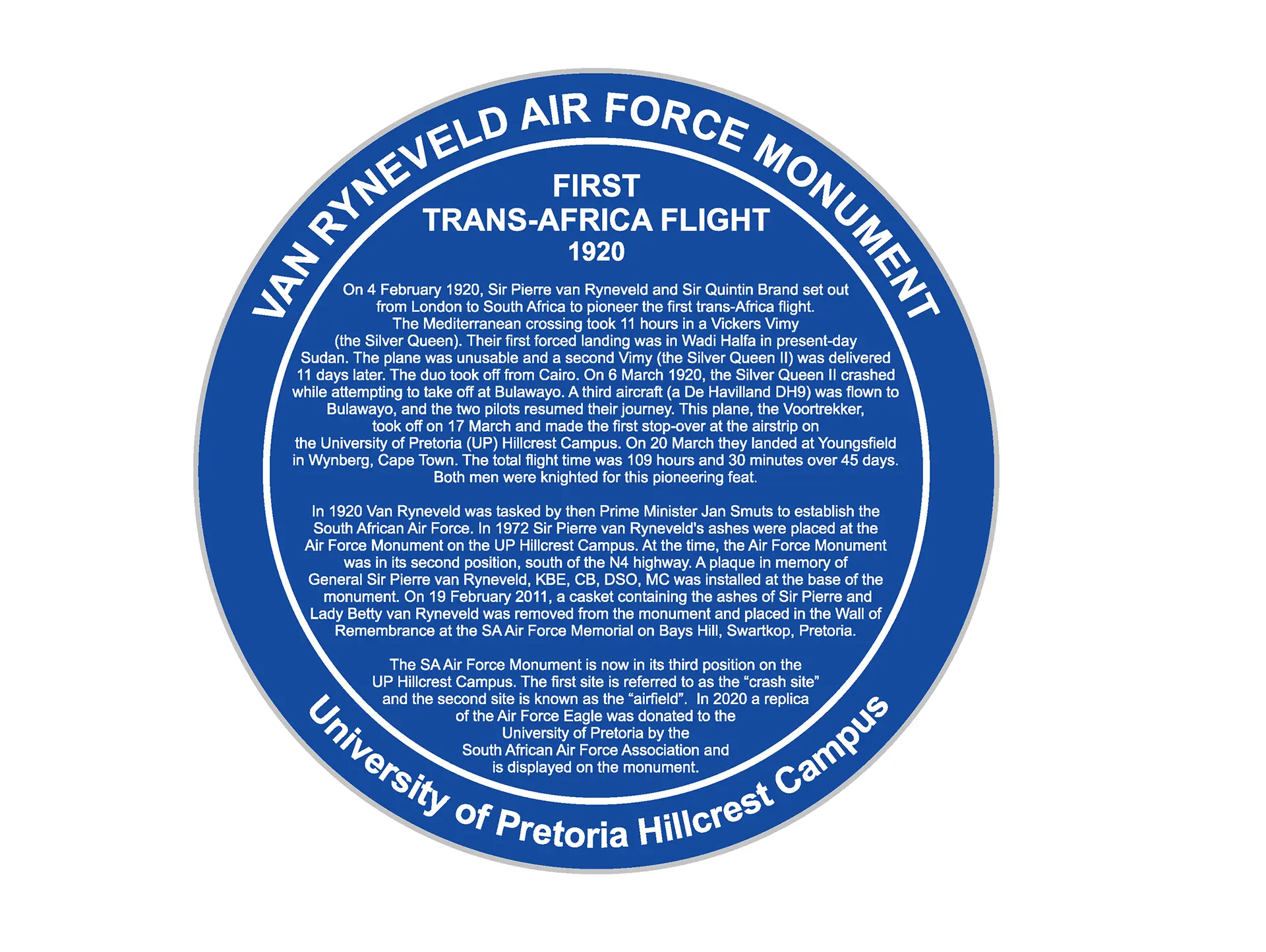
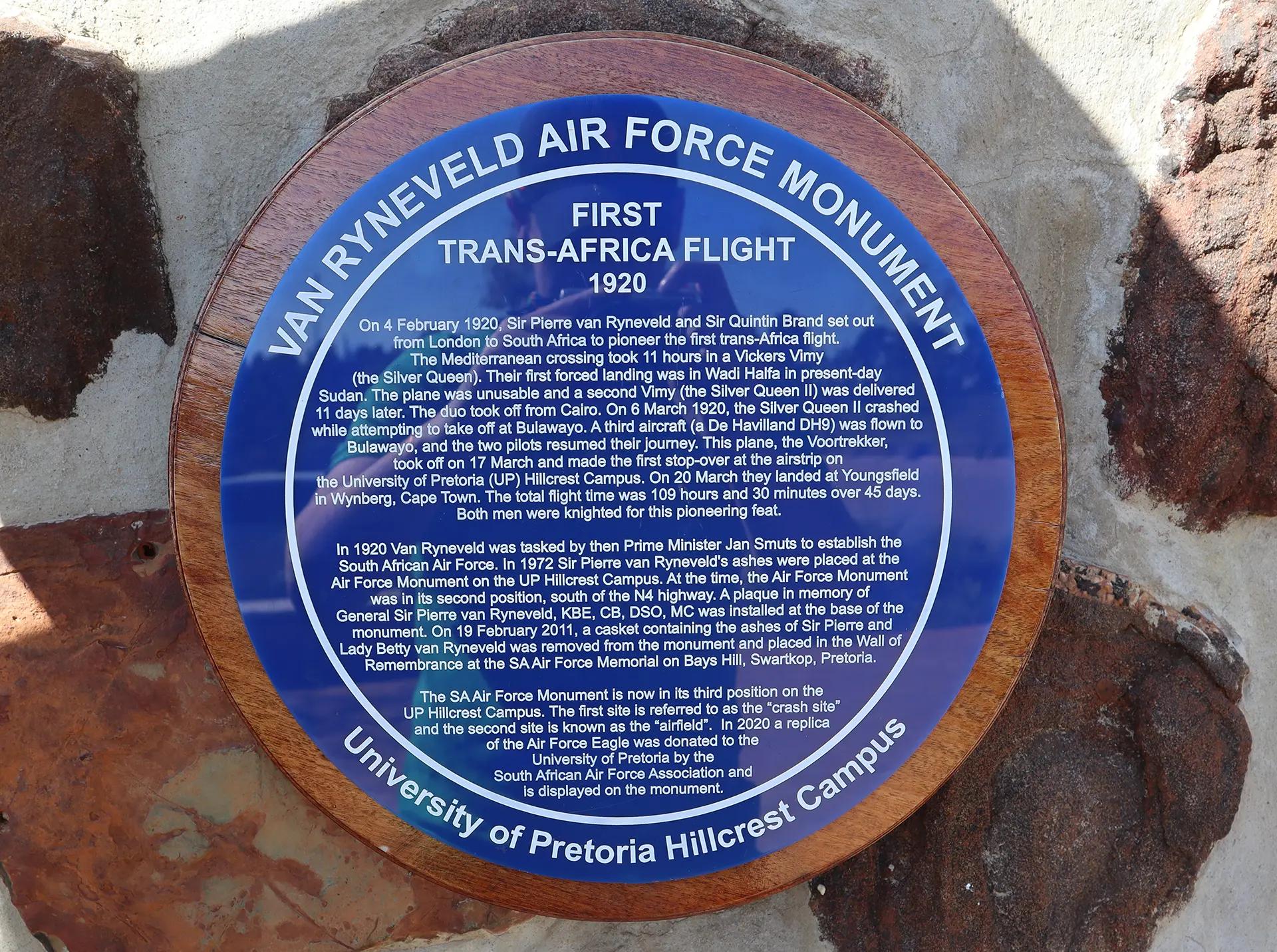
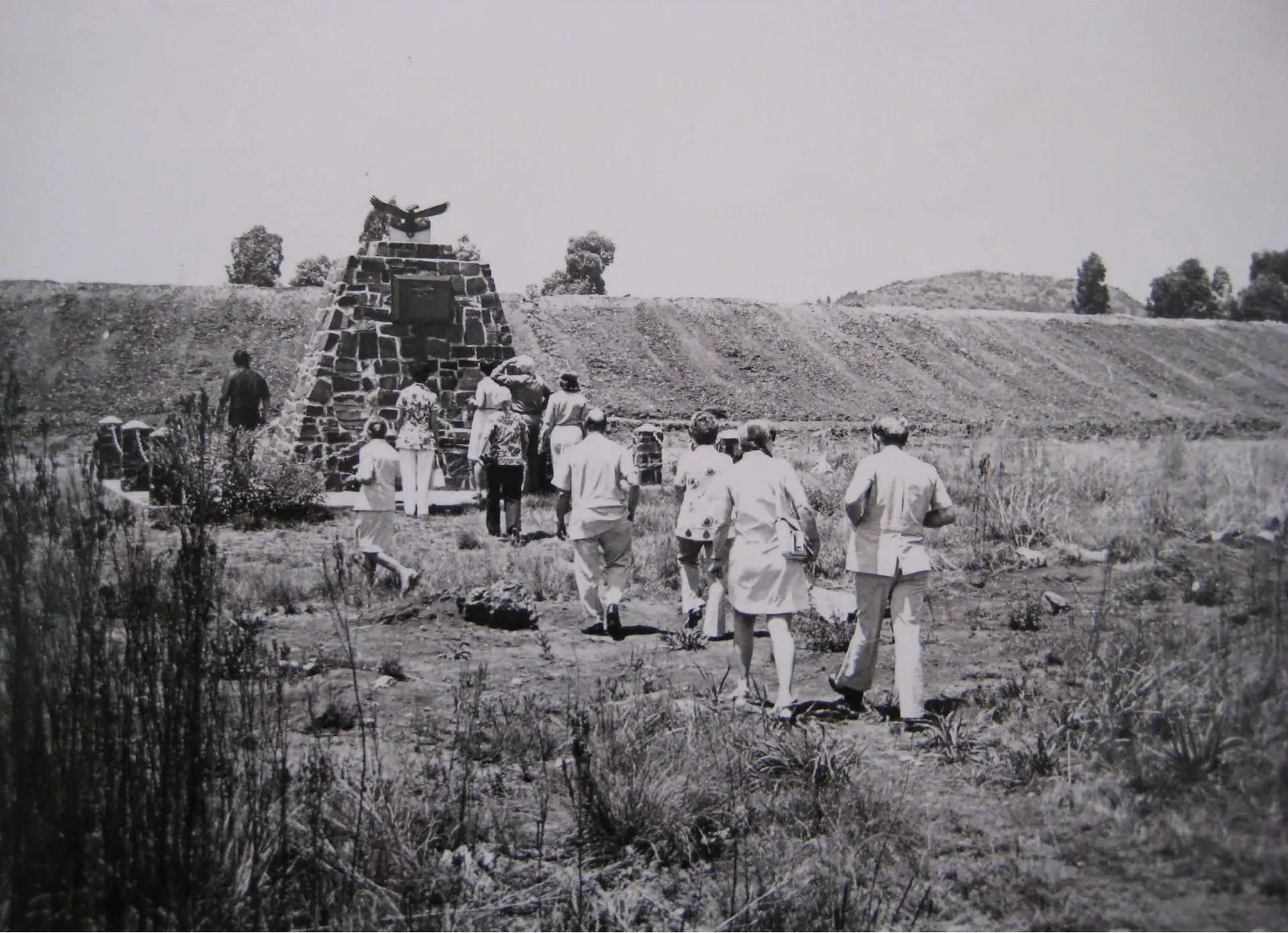
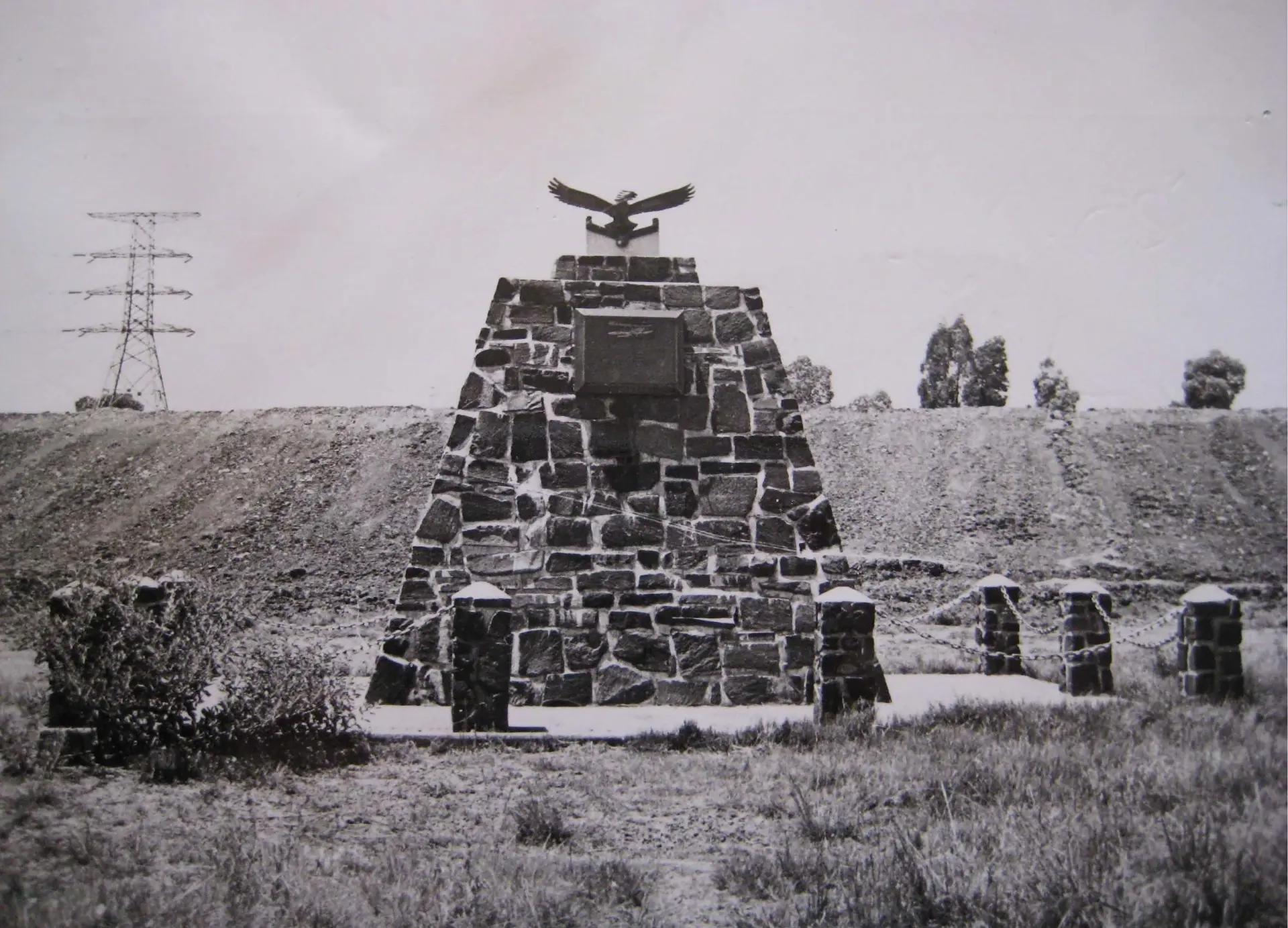
On 4 February 1920, Sir Pierre van Ryneveld and Sir Quintin Brand set out from London to South Africa to pioneer the first transAfrica flight. The Mediterranean crossing took 11 hours in a Vickers Vimy (the Silver Queen) and their first forced landing was in Wadi Halfa in present-day Sudan. The plane was rendered unusable and a second Vimy (the Silver Queen II) was delivered 11 days later. The duo took off from Cairo and on 6 March 1920 the Silver Queen II crashed while attempting to take off from Bulawayo. A third aircraft (a De Havilland DH9) was flown to Bulawayo, and the two pilots resumed their journey. This plane, the Voortrekker, took off on 17 March and made its first stopover at the airstrip on the University of Pretoria (UP) Hillcrest Campus (renamed to Innovation Africa @UP, IA@UP), where the Pierre van Ryneveld Monument is situated. On 20 March Van Ryneveld and Brand reached their final destination at Youngsfield, Cape Town. The total flight time was 109 hours 30 minutes over 45 days. Both men were knighted for this pioneering feat.
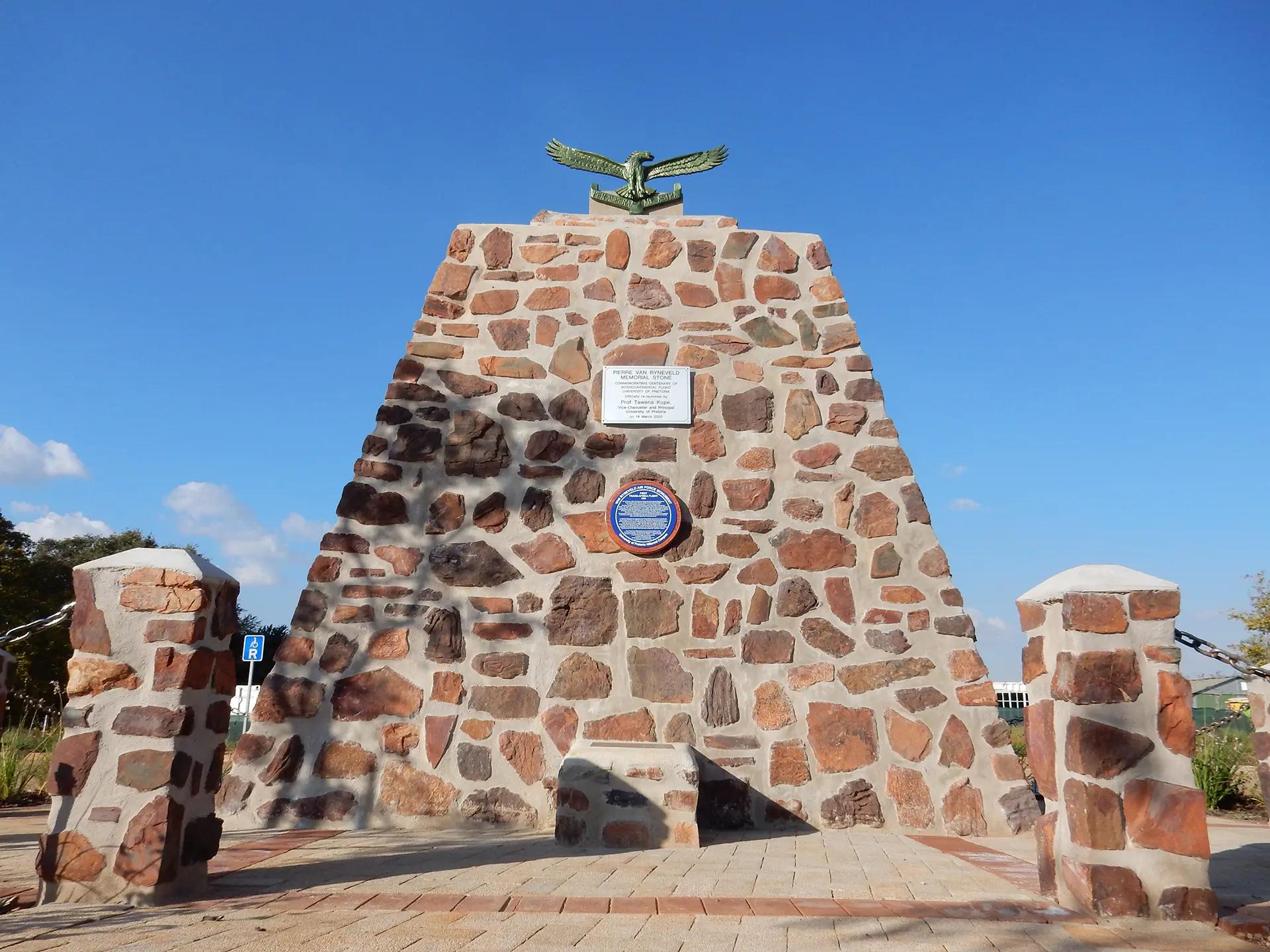
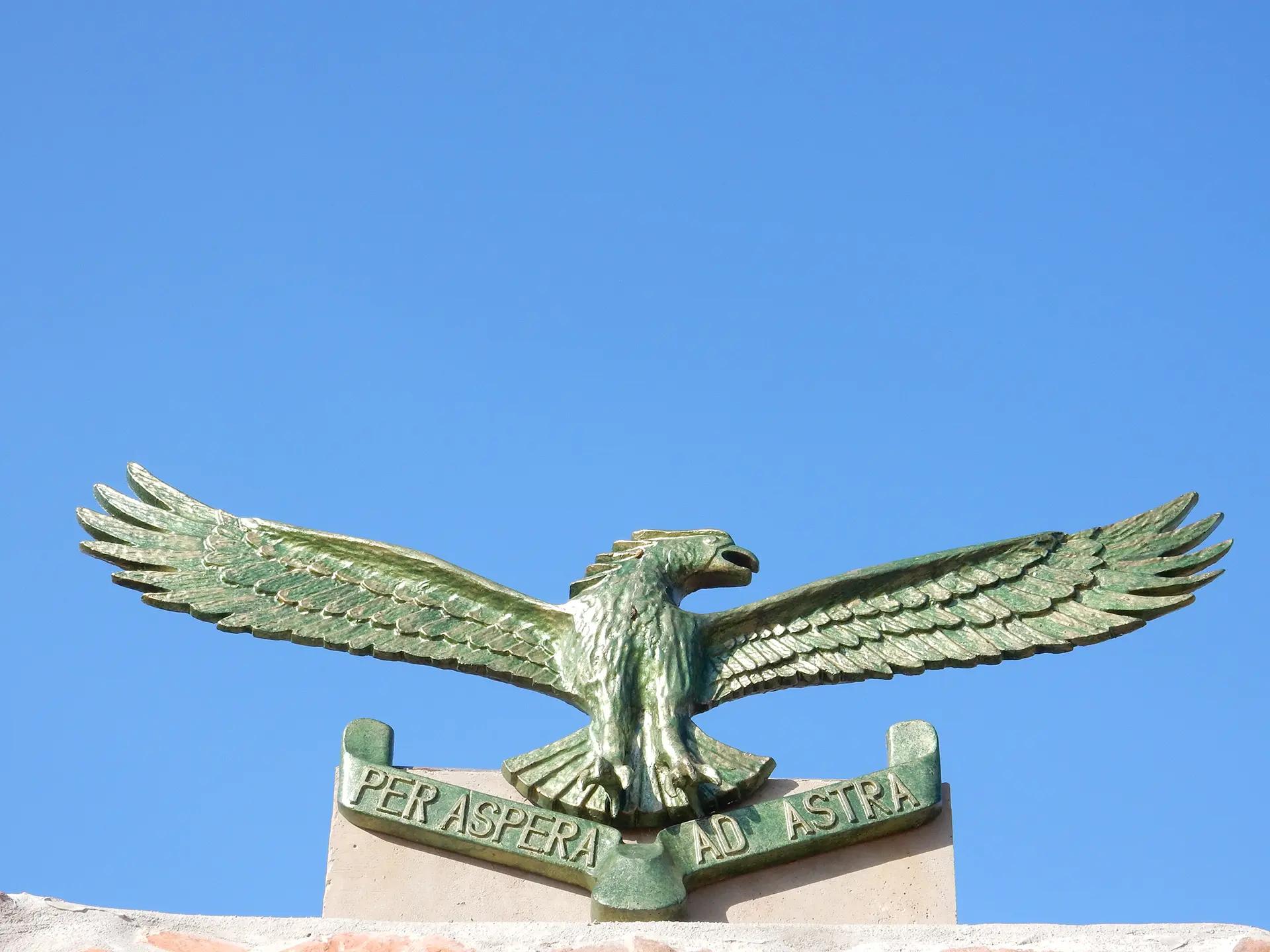
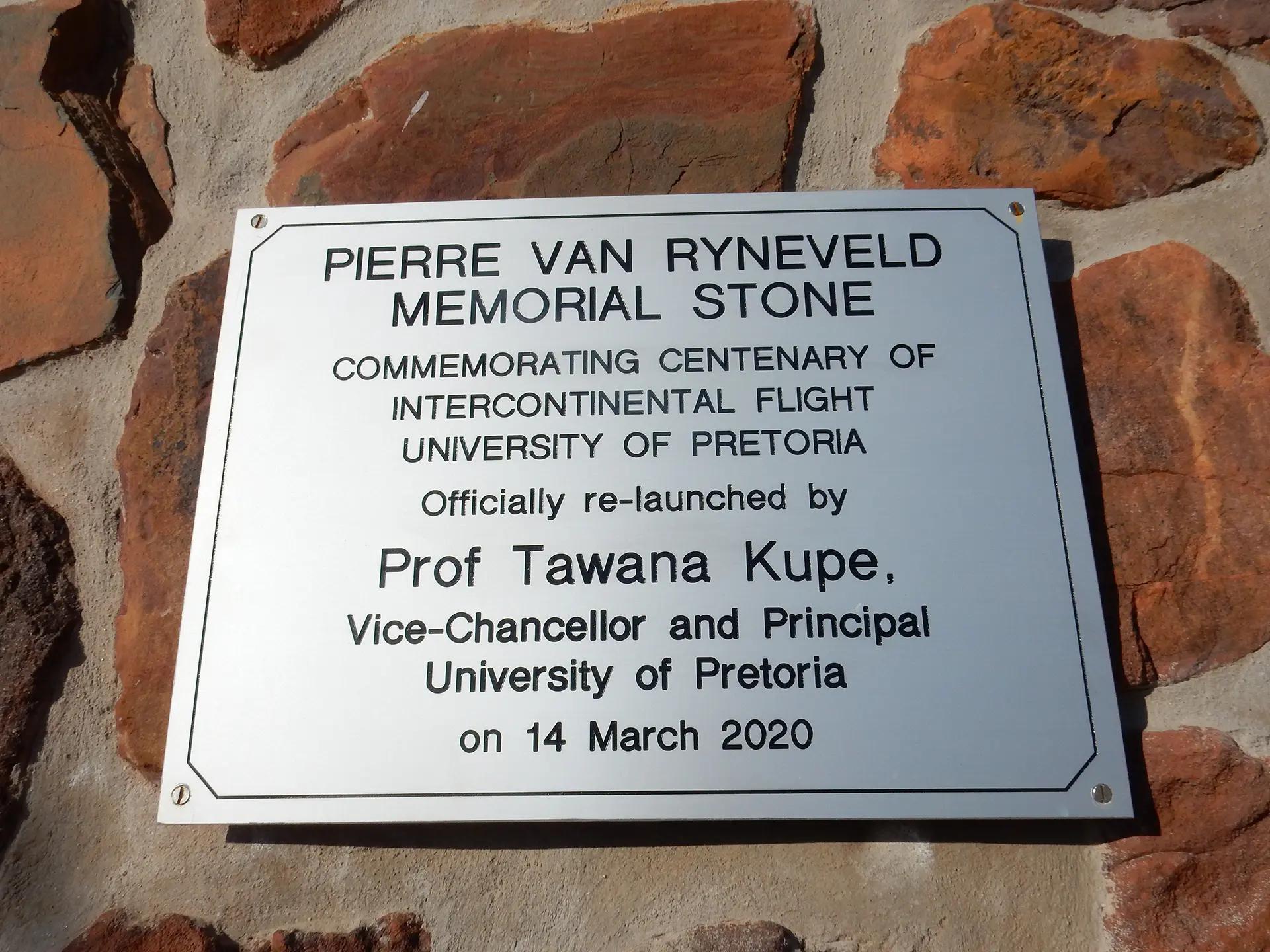
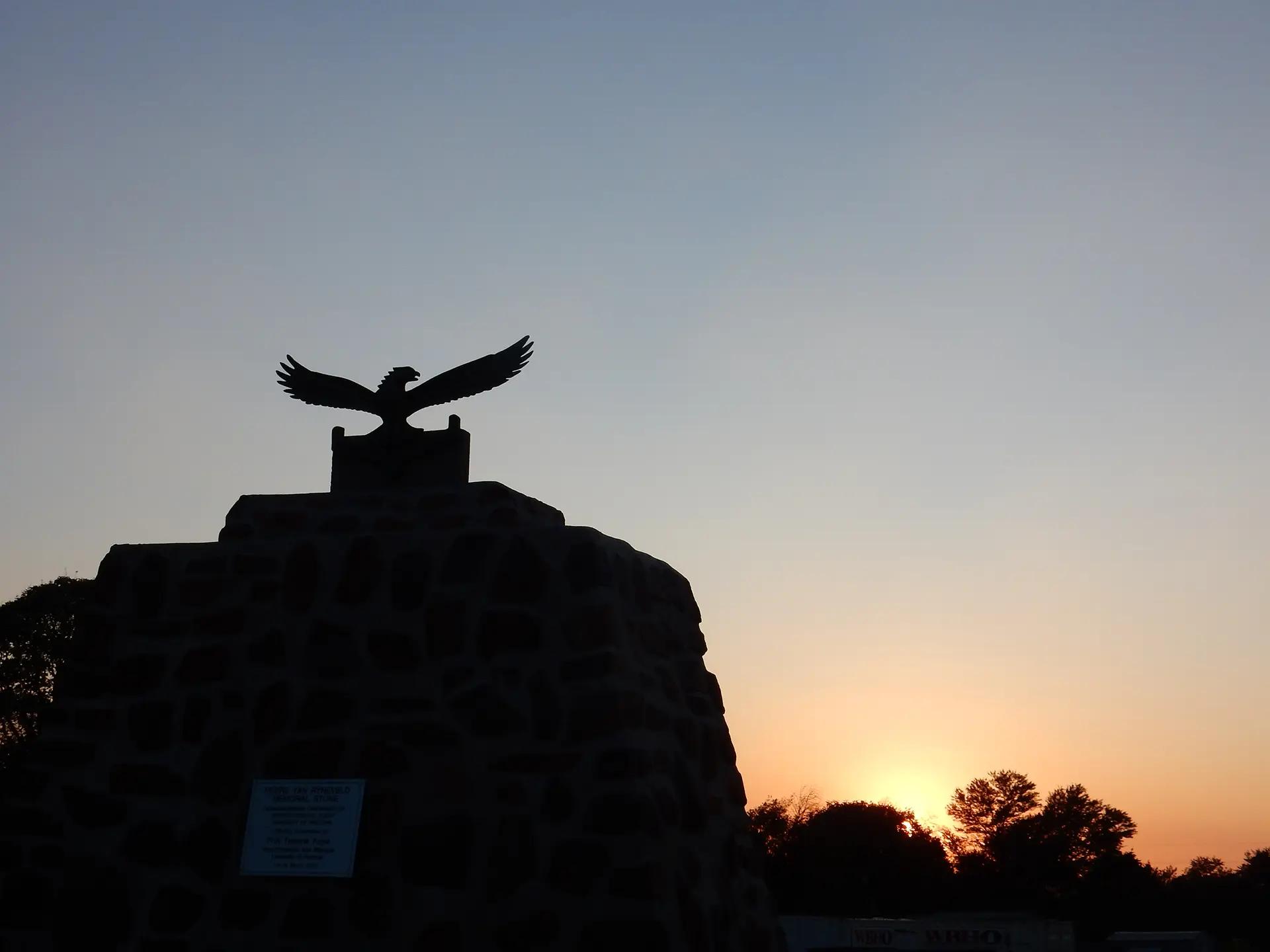
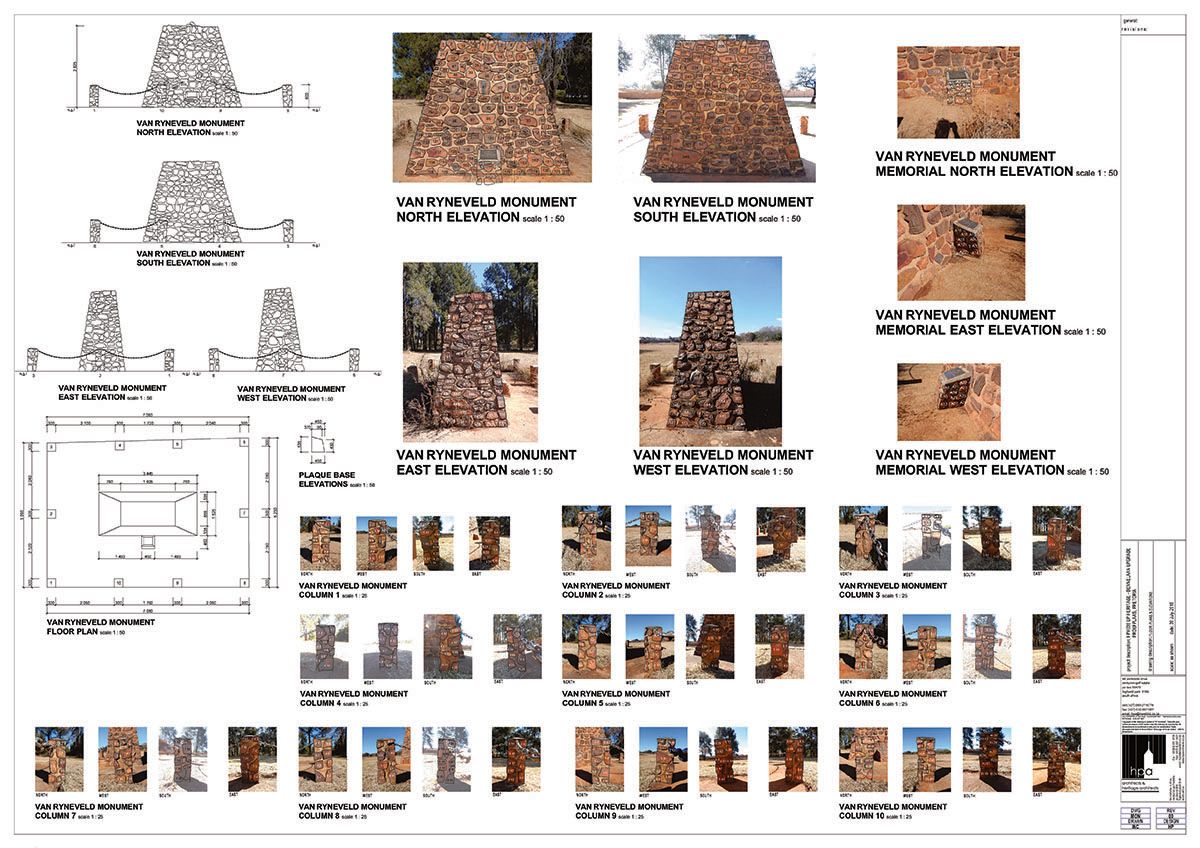
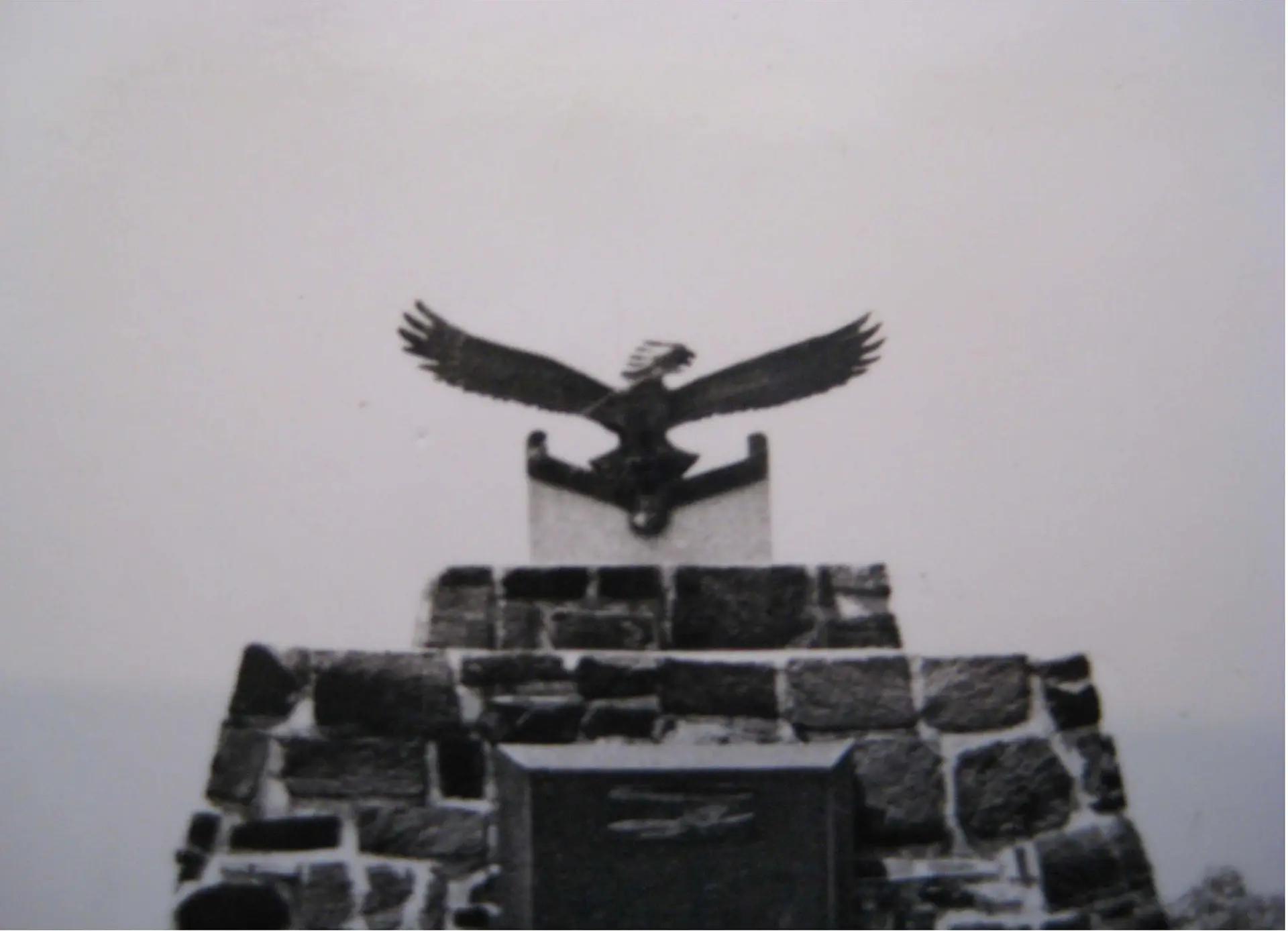
The monument's first position on the IA@UP campus is also referred to as the “crash site”. The second position is known as the “airfield” site. The monument was dismantled in 2019, with every stone labelled and accurately reconstructed at the main entrance of the Engineering 4 Building (its third and current position). A replica of the Air Force Eagle was donated to UP by the South African Air Force Association, which is displayed on the monument.
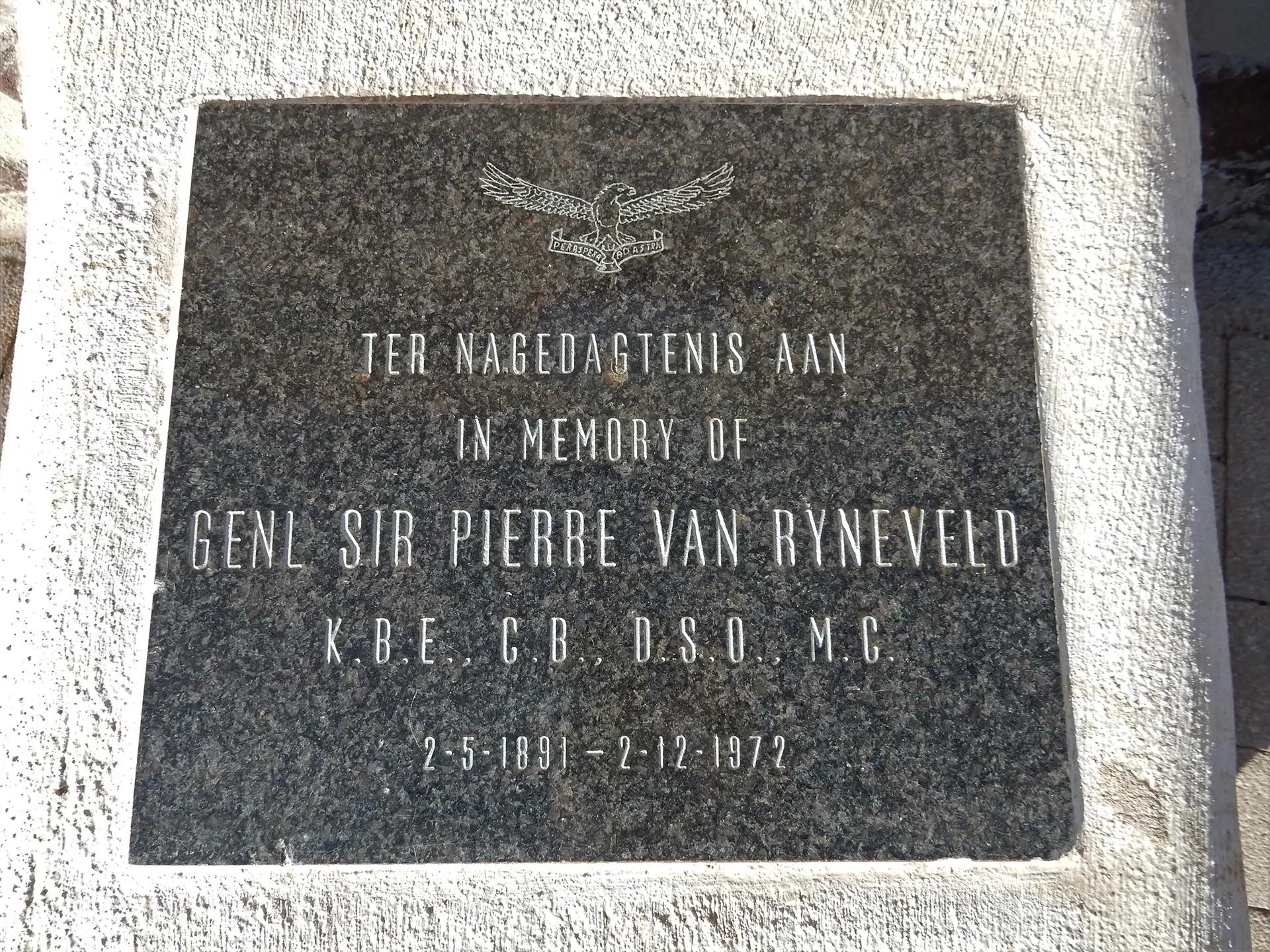
General Sir H A van Ryneveld was also the founding commander of the South African Air Force (SAAF); he was tasked in 1920 by then Prime Minister Jan Smuts to establish the SAAF.