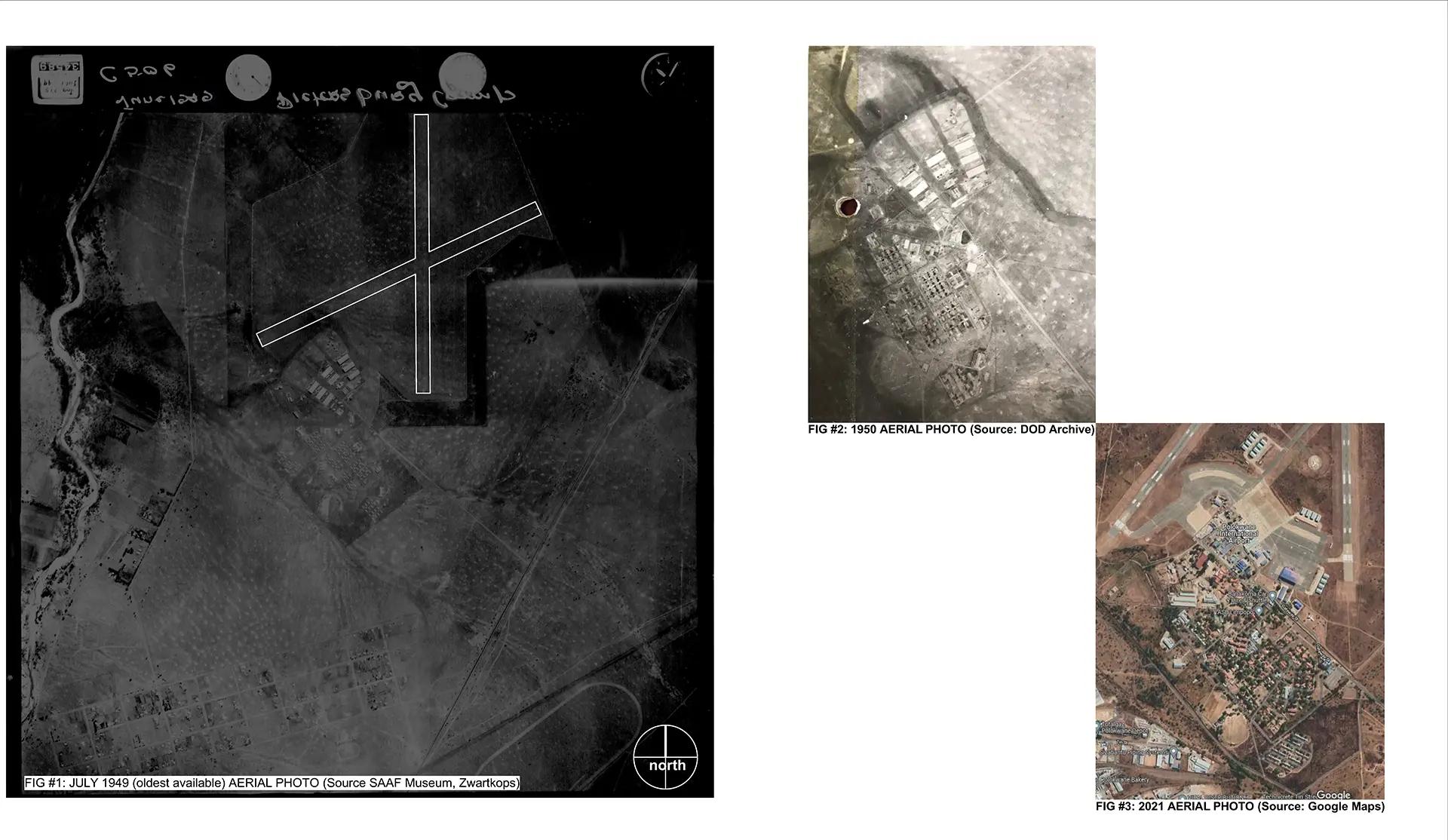
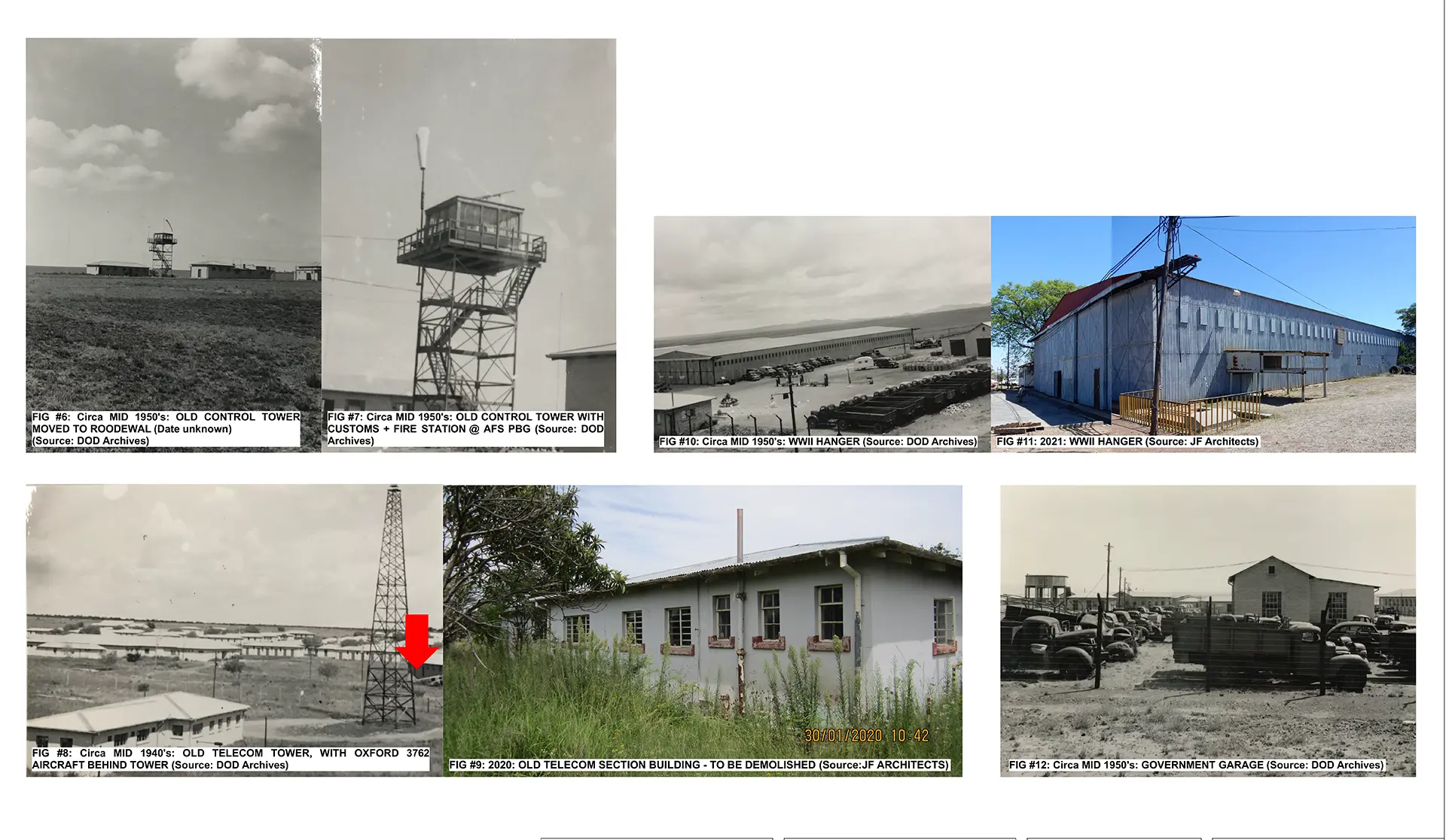
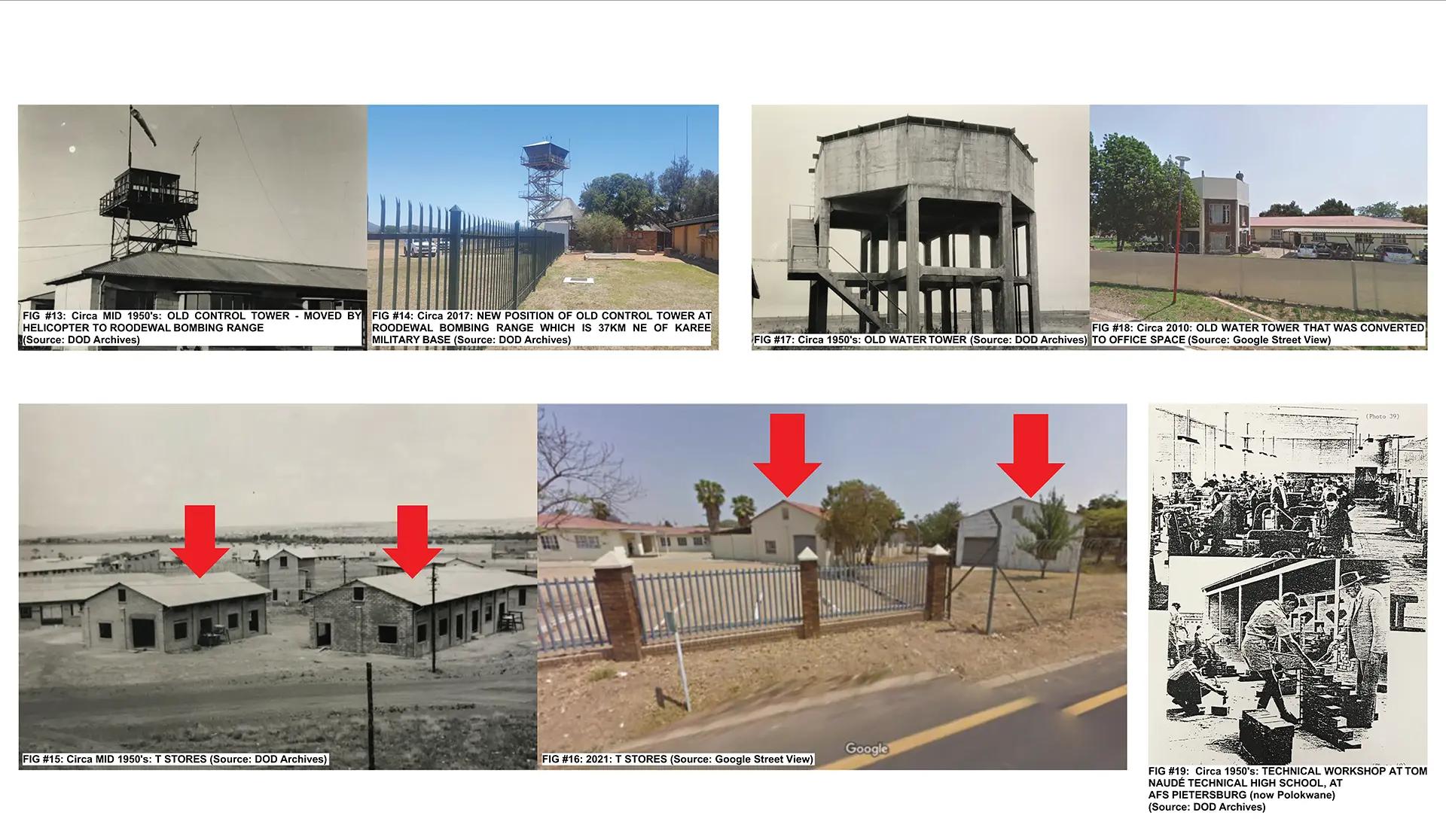
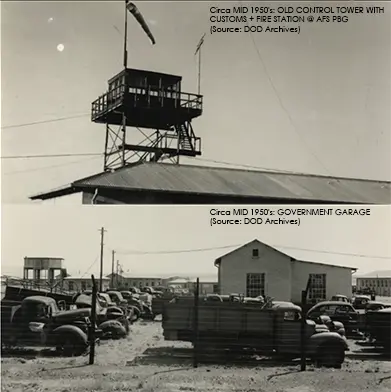
The Karee Military Base in Polokwane, Limpopo, has historical links to the South African Air Force (SAAF) and UK Royal Air Force (RAF).The airfield at Polokwane (previously Pietersburg) was set out in 1919 by the RAF No.3 Africa Survey Party. The airfield served as an emergency landing strip for the first trans-Africa flight from London to South Africa. This mission was successfully completed in 1920 by Lt Col Pierre van Ryneveld and Flt Lt Quintin Brand. After completion of the historic flight, the landing strip remained unused for many years until Maj. J Holthause of the SAAF selected the site for a non-directional beacon, which is a ground-based radio transmitter used to aid and navigate vessels in aviation and marine applications during their approach. The beacon was purchased for £800, after which a small terminal building was constructed at the base and the runways were extended to 1 km and 1.4 km to facilitate the larger aircraft of both the RAF and SAAF.
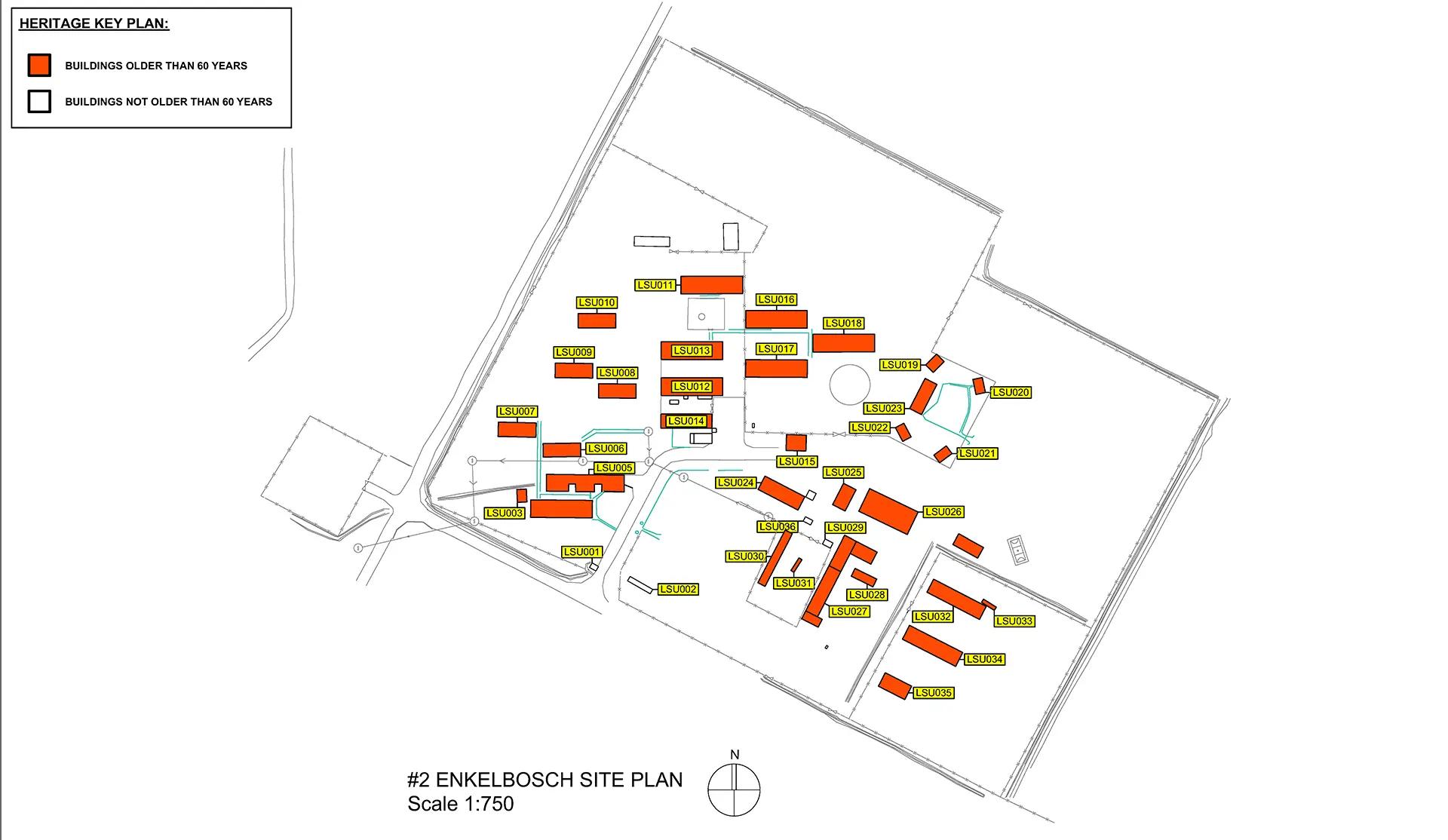
Following Britain’s declaration of war against Germany on 3 September 1939, The Union of South Africa established a total of four Service Training Schools and three Observer Schools at existing aerodromes across South Africa under the dominion of Prime Minister Genl J.C. Smuts. Pietersburg (now Polokwane) was one of the selected sites that formed part of the “Memorandum on the Expansion of Training Facilities in South Africa”, signed on 1 June 1940 by Air Chief Marshall Sir Robert Brooke-Popham, the head of the British Air Mission that was sent to SA. In 1941 Defence Force officials from Pretoria were unable to identify suitable sites in Pietersburg for possible aerodrome training sites. Subsequently, a Mr J.M. Colvin sent a letter to the local Town Council with an offer to the Defence Force to offer their family farm Enkelbosch, which was a mere 3 km from the town centre. (FIG #5). Gen J.C. Smuts paid a short visit, after which the Defence Force team accepted the proposal. The training schools were divided into Group I (for single engine training) and Group II (for twin engine training) which were geographically set out in pairs to provide balanced training. The Group II Air School at Pietersburg, later known as No 26 Air School, was one of the last schools to be established on 23 June 1941. This was after an enforced name change on 11 November 1940 that saw the Air Schools being numbered instead of named. Pilots from Great Britain, the Union of SA, and to a lesser extent, Belgium and Yugoslavia, were trained as Group II pilots at these South African Air Schools. The first Commanding Officer of Pietersburg No 26 Air School was Group Captain A.S. Ellerton (OBE) of the RAF who was posted to Pietersburg on 24 March 1942. The first aircraft landed at this aerodrome on 17 April 1942: Brig. H. Daniel, OBE (AOC) and Lt Col Lang and Capt. McMasters flew in on a twin-engine Avro Anson aircraft from Zwartkop Air Station (ZAS).
The first four Miles M.9 Master aircraft (a British two-seat monoplane advanced trainer) that were destined for No 26 Air School arrived from the Cape on 26 April 1942. Official opening of the Pietersburg No 26 Air School was on 4 May 1942 and was attended by 1,522 persons of varying rank and file as well as 200 school pupils. By October of that year a total of 65 Airspeed AS.10 Oxford aircraft and 9 Miles M.9 Master aircraft were based at No 26 Air School. Along with this came two Link Trainer Flight Simulators. The Link Trainer, also known as Blue Box and Pilot Trainer, is a series of flight simulators the were produced between the early 1930s and early 1950s by USA-based company Link Aviation Devices. The Link Trainer Flight Simulators were used by almost every combatant nation as a key pilot training aid during WWII. The unit emblem represented the collaboration between the RAF) who provided the aircraft, spares, and training equipment, and the SAAF who supplied the buildings and facilities. The emblem was made up of a set of RAF wings (left) and SAAF wings (right) with the motto at the bottom: “NEMO MORTALIUM OMNIBUS HORS SARIT” (No mortal is wise at all times) Aerodromes used by No 26 Air School for training purposes were:
- Pietersburg Military Aerodrome (No 26 Air School)
- Farm Papkuil – situated 12 miles north-east of Pietersburg on the Louis Trichardt Road, 300 morgen of land was hired to be used as an auxiliary landing ground.
- Farm Palmietfontein – situated 12 miles north of Pietersburg on the Kalkbank Road, 101 morgen of land was hired to be used as landing ground.
- Pietersburg Civil Airport (CAP) – situated 2.5 miles south-south-east of Pietersburg. Aircraft could land on the natural surface in any direction.
- Farm Weltevreden – landing ground and 2 observation posts were erected.
- Farm Kalkfontein – a bombing range with 1 mile radius was proclaimed.
- Low Flying Areas were identified.
- Emergency Landing Grounds for No 26 Air School – Dogola 26 miles west of Messina, Cornwall 17 miles from Martinus Drift on the Limpopo River, and Louis Trichardt
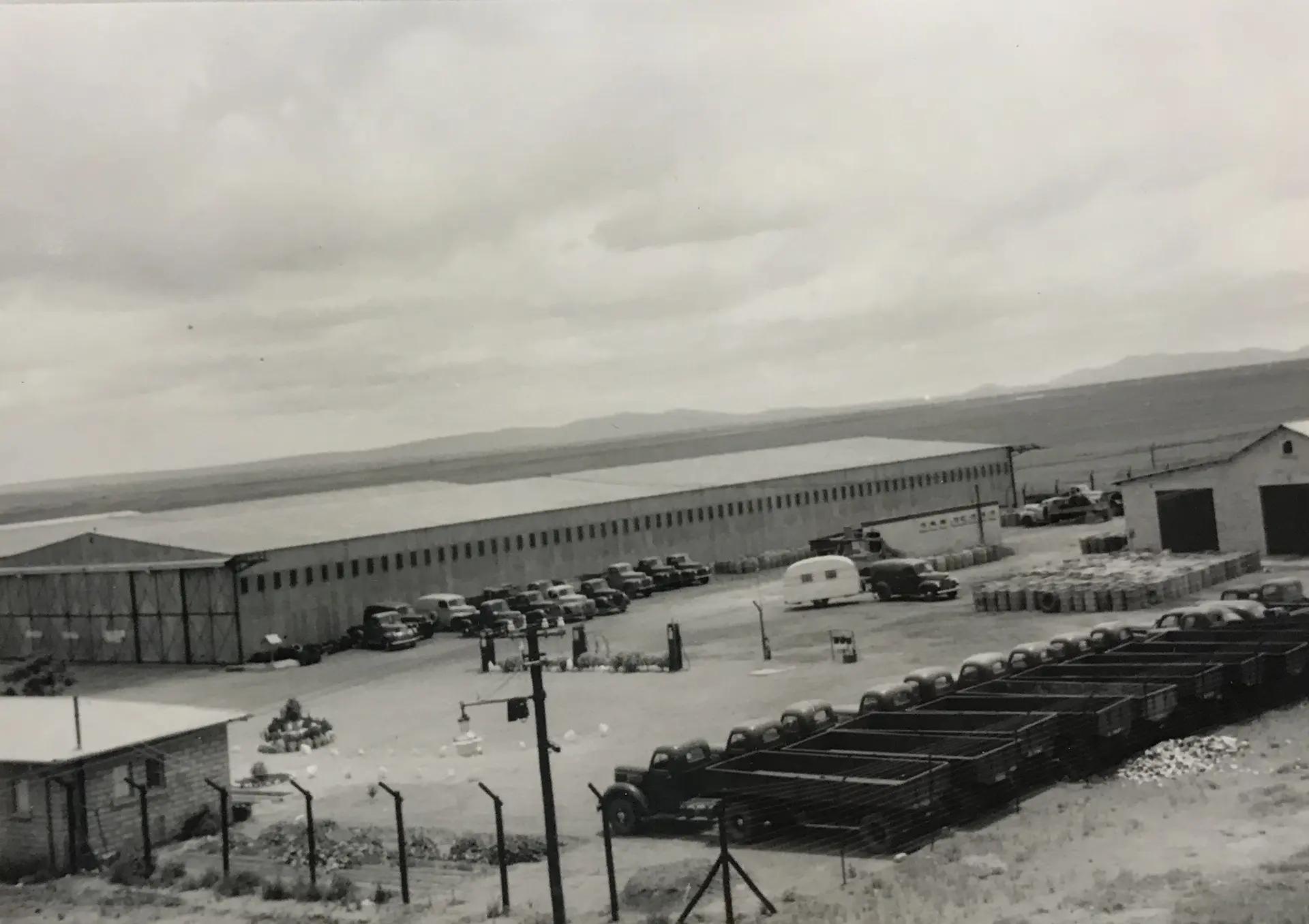
The first Wings Presentation Parade was held on 7 May 1943, where 19 RAF members received their wings from Field Marshall J.C. Smuts. He was accompanied by Gen. Sir Pierre van Ryneveld, Maj. Gen C.J. Venter and Air Vice Marshal M.B. Frew. No 26 Air School was closed on 18 November 1944 and was disbanded on 20 December 1944. During this period Maj. G.C. McIntosh acted as commanding officer. After WWII it was decided to retain the Air Force Station at Pietersburg for demobilisation purposes and all aerodromes were to be retained in good and proper condition.
The Pietersburg Air Force Base was officially reopened on 24 October 1964 by the first president of the Republic of South Africa, Advocate C.R. Swart, who had opened the same buildings fourteen years earlier as the Minister of Education. After many proposed designs and iterations, the new base emblem was finally approved on 23 February 1984, depicting a red rampant griffin in a blue border. The griffin, which combines the lion (representing the Municipality of Pietersburg) and eagle (associated with the SAAF) symbolises the coming together and cooperation between the two institutions, while the blue border represents the airspace. The motto, “DEFENEMUS SEPTEMTRIONEM” (We defend the North) was placed below on a scroll.
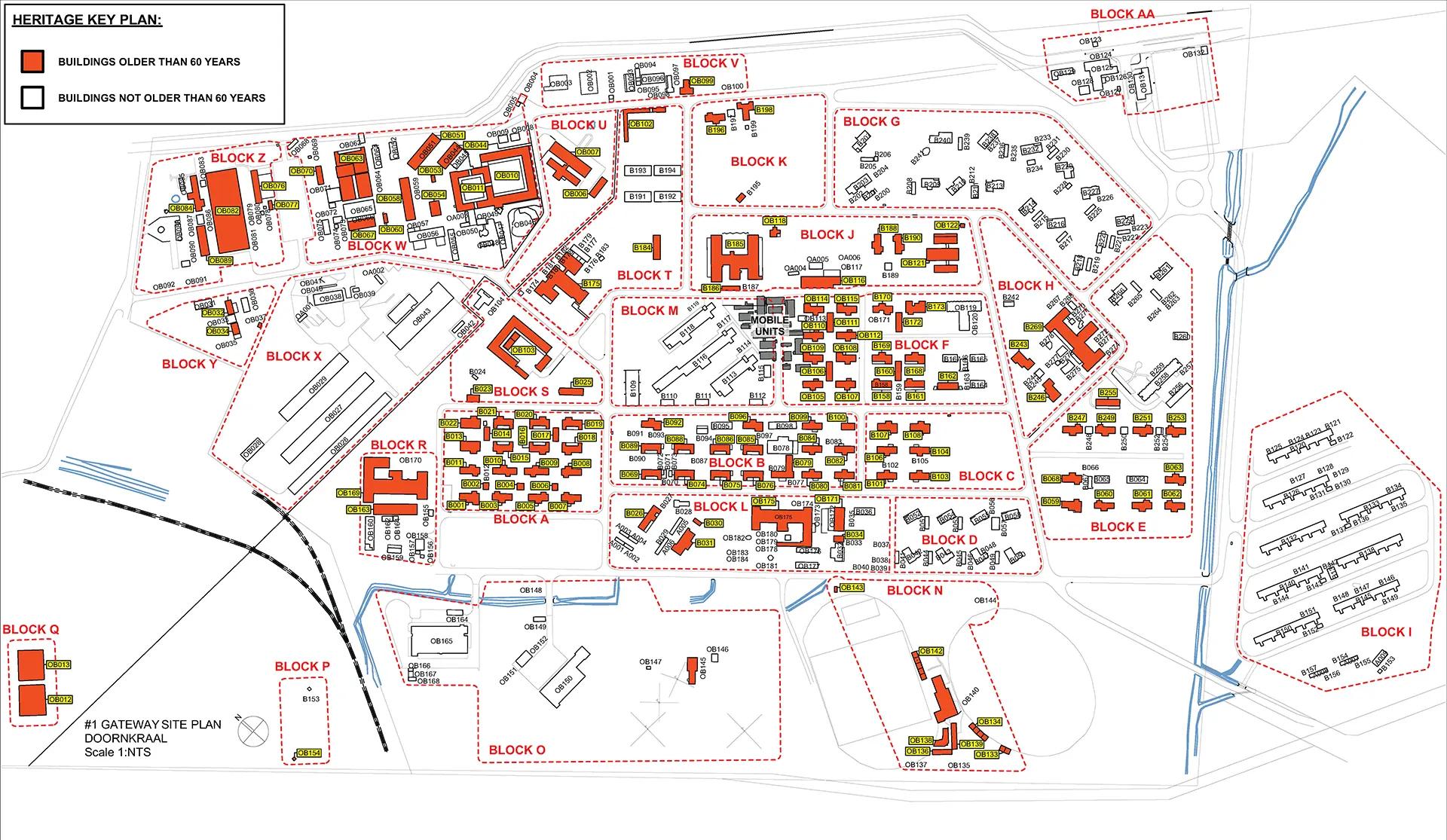
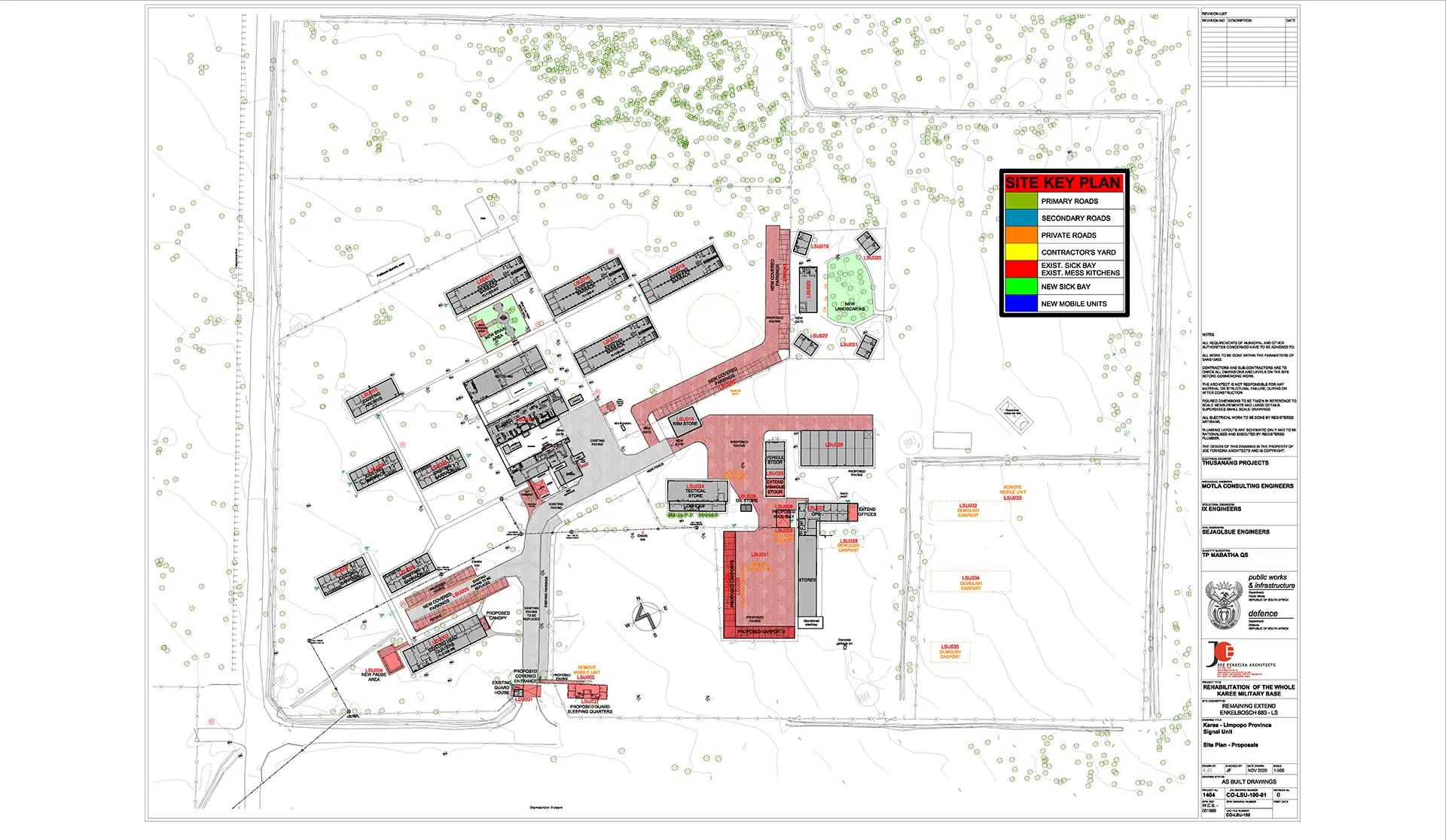
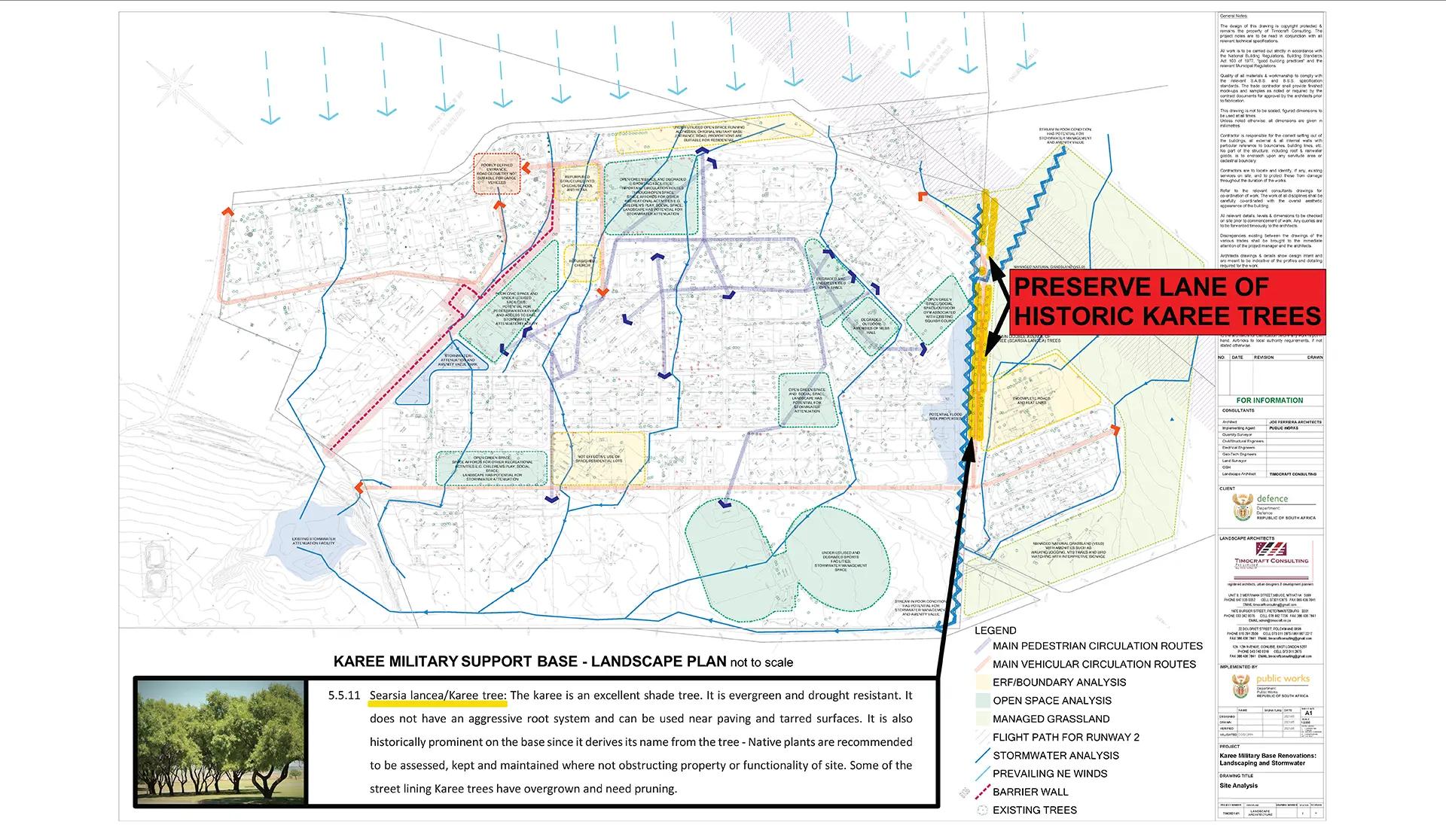
On 1 January 1993 and after many years of serving as a strategically important Air Force Base in the Northern region of South Africa, the Pietersburg base was closed again and the 85th Combat Flying School was relocated to the Hoedspruit Air Force Base. In 1995 the SAAF was completely decommissioned, and custodianship of the east portion (including runways, hangars, and backup facilities) were transferred to the Northern Transvaal Provincial Government (now the Limpopo Provincial Government). During this period the aerodrome was reopened as the Polokwane International Airport (PTG) with regular flights to O.R. Tambo International Airport in Johannesburg. From 1992-1993 the SA Army moved into the west portion of the base, which is now the Karee Army Support Base for Limpopo. The Karee Military Base fulfils two main functions:
- Provision of housing for military personnel in the Polokwane region, catering for members from a total of 7 units.
- Provides logistical support for the entire Limpopo province, including border units which cover 600 km on the Botswana side and 220 km on the Zimbabwe side.
Support is further provided for 39 SA Army bases in Limpopo.